What Are the Causes & Treatments for Inflamed Gums?
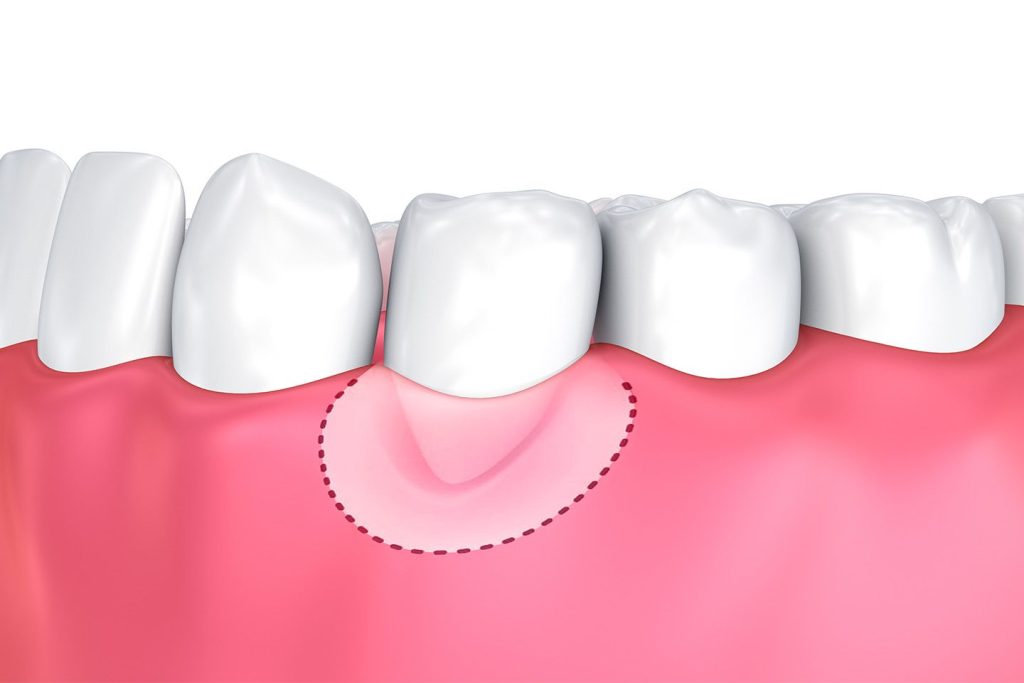
Our teeth are often used to create a lovely smile. Unfortunately, our gums often don’t get as much praise and attention. Consequently, they may be readily susceptible to swelling or inflammation and become very painful. Learning the causes of inflamed gums is helpful since having healthy gums can make a huge impact on the health of your teeth. Inflamed gums are typically a warning sign, and care is needed.
The following are typical symptoms of inflamed gums:
- The gums are uncomfortable.
- Redness
- Bleeding
- Gum line bruises around the area around the gum line.
- Persistent foul breath
- Recessed gums
How Do Inflamed Gums Become Inflamed?
Of course, before making any judgments or thinking the worst, know there are many reasons that your gums may be swollen and inflamed. Some will require a more complicated technique, while others will be easier to treat.
The following are the most common causes of gum disease:
Gingivitis
Gingivitis is a relatively mild case of gum disease. One of the many signs of gingivitis is if gums bleed when you floss. This is a minor form of gum disease that’s often caused by inadequate oral care. Gum irritation and infection are a result of plaque buildup.
Periodontitis
If not treated, gingivitis often escalates into more severe gum disease known as periodontitis. More pain is experienced, and teeth could become loose. It starts to damage the fragile tissue that keeps your teeth in place, and continues to inflame and infect the tissue.
Abscess
Dental Abscesses are the accumulation of pus in and around the tooth. This may be caused by gum disease, tooth decay, fractures, or any other problem.
Food Debris Left in the Mouth on the Teeth
Tightly packed food particles tend to easily push against the gum line. Edema is caused by inflammation. Floss and rinse with water will help alleviate discomfort.
Due to Sensitivity, Mouthwash or Toothpaste Response.
Some products may cause gum inflammation. Additionally, any allergic reactions to the new products may lead to swelling. Generally, it is a new toothpaste or mouthwash.
Pregnancy
There are many hormonal changes that occur in the body during pregnancy, and the inflammation of the gums may result from these.
New Dental Appliances
When you receive new dental appliances, such as dentures, braces or retainers, your gums need to adapt to them over time. Prior to this, there may be some swelling. In addition, if you have dental appliances like braces or dentures that don’t fit, your gums can also become irritated. If there is pain as well, talk to your dental team about a remedy.
Diet
Your diet can have an impact on the health of your gums. Inadequate nutrition, with low levels of vitamin C, can lead to inflamed gums. Eat more healthy foods and, when possible, add vitamin C.
Injuries or Cuts in the Mouth Area
Mouth trauma can often damage both the gum tissues and teeth.
What Are the Treatments for Swollen Gums?
These are treatments that can make your swollen, inflamed gums better and help them heal:
- Modify your brushing method : Use soft-bristled toothbrushes and brush back and forth. Beware of excessive brushing, as this may damage the tissue around the teeth.
- Floss slowly: Take your time during flossing to ensure that you get rid of all food particles stuck between your teeth. Carefully push the floss between the teeth. Don’t be in a rush to push the floss out and down—this can damage your gums.
- Swish and Rinse: Often, rinsing your mouth with water will help to eliminate food particles and sweet or acidic chemicals. Hold it in your mouth for a couple of seconds and then spit.
- Use compresses: For sore and inflamed gums, apply warm and cold compresses. Apply a warm compress to your face for a couple of minutes. Then apply a cold compress (crushed ice in a cloth). Do this multiple times throughout the day.
- Enhance your nutrition: Create menus that are more nutrient-dense. Eat food rich in calcium and vitamin C, including citrus fruits, broccoli, kale, cherries, and kiwis.
- Utilize specifically designed dental care products: These days, you can find toothpaste and mouthwashes that are specifically intended to take care of gums. Listerine provides numerous mouthwashes to help you with all your dental needs.
- Regularly visit the dentist: Visit the dentist for a visit to remove any tartar and encourage healthy gums.
How Can You Avoid Inflamed Gums?
Some preventive measures can be taken to prevent inflamed gums, which include:
Brush, Floss, and use Mouthwash to keep your Teeth and Gums Healthy.
To maintain proper oral care, brush your teeth at least twice a day (morning and before bed) for 2 minutes and floss at least once. You can dislodge food particles and eliminate bacteria by first flossing and then brushing. Also, be sure to use mouthwash at least twice a day. Besides freshening breath, mouthwash can help prevent cavities and fight tooth decay, as well as help to combat plaque and gingivitis. The Listerine mouthwash can have a great impact on the health of your mouth.
You Should Visit the Dentist Regularly.
Regularly visit a dentist or dental hygienist for cleanings every 6-12 months. If you smoke, have some risk factors for periodontitis, such as dry mouth, or take some medicines, you may need to get professional cleaning more often. Dental X-rays can be taken annually to monitor changes in dental health and help identify ailments that may not be seen during a routine dental examination.
Always go for Healthy Lifestyle Choices.
Other healthy habits can also help keep gums healthy, for example, proper nutrition and managing blood sugar levels if you have diabetes. Healthy teeth and gums may be a result of consuming a variety of nutrient-rich foods. Eat a balanced diet with lots of fruits, vegetables, protein foods, calcium-rich foods, and whole grains to keep your body healthy and your smile healthy.
To sum, make an appointment with your dentist to find the source of your inflamed gums and the best course of action for you. And always invest in high-quality dental care products, such as those offered by Listerine, to ensure that you’re up to par with your dental hygiene and preventative dental measures.
FAQs:
1. What causes inflamed gums?
Plaque formation, inadequate oral care, gum disease, food trapped between the teeth, hormonal fluctuations, smoking, and some medical problems and medicines can cause inflamed gums.
2. Common symptoms of inflamed gums include?
Red or swollen gums, pain, bleeding when brushing or flossing, bad breath, and sensitive or sore gums are common symptoms.
3. Will inflamed gums heal if left untreated?
If there is mild gum inflammation, this could get better as a result of proper oral hygiene and daily brushing and flossing. If the inflammation doesn’t go away or gets worse, though, it should be checked by a dentist as a sign of gum disease.
4. What can I do to treat swollen gums at home?
It is important to have good oral hygiene. Use a soft-bristled toothbrush to brush gently twice daily, floss once a day, and rinse with a suitable mouthwash. Don’t smoke or eat gum-irritating foods.
5. When should I go see a dentist for swollen gums?
If your gums continue to swell, bleed, or return for more than a few days, if the swelling is severe, is accompanied by pain, or if you have bad breath, pus, or loose teeth, you should seek help from a dentist.
6. Is any bleeding from the gums a symptom of gum disease?
It can be. Some of the first symptoms of gingivitis are inflamed and bleeding gums, and if it isn’t treated, it can develop into periodontitis.
7. Do swollen gums occur as a result of poor oral hygiene?
If plaque is not cleaned regularly, bacteria can collect around the gumline and lead to pain, redness, swelling, and bleeding.