What Are the Best Travel Tips for Beginners for a Smooth and Memorable Journey?
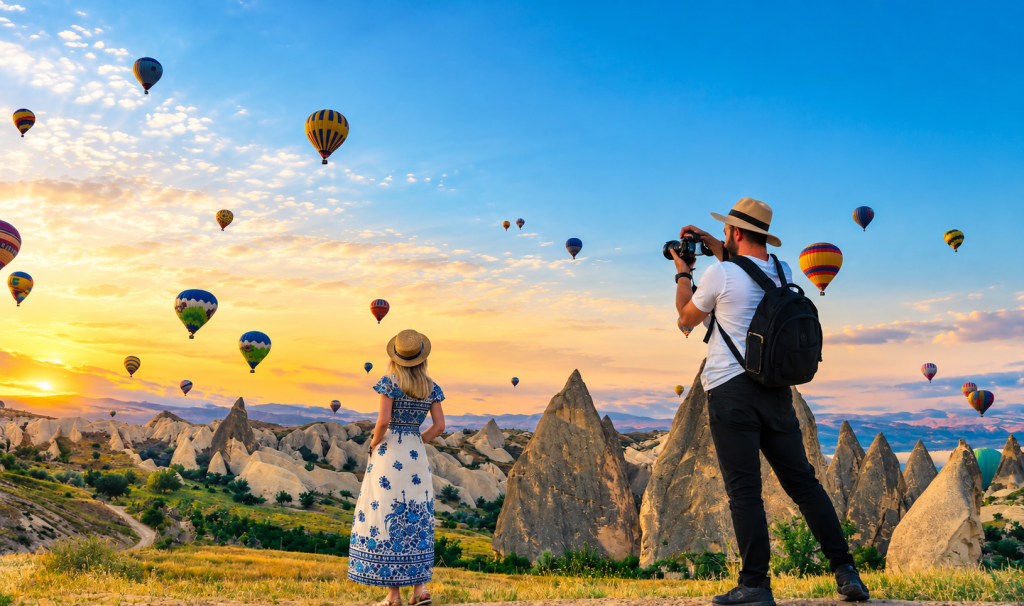
Traveling is a thrilling way to find new experiences, learn other cultures, and just plain relax. Going on a trip is a first experience, though, and can seem like a daunting task, particularly if you’re not used to arranging travel, organizing your budget, packing, and dealing with the unexpected. If you are willing to do the work and have a positive attitude, then your beginning experience will be more comfortable and enjoyable.
Here are some travel tips for novices, which can assist them in organizing their trips, preventing common travel blunders, and making better choices throughout their trips. Whether you’re traveling for a quick getaway, a family trip, or a solo adventure, knowing some basic travel tips can make your trip more comfortable and enjoyable.
The article looks at key travel planning tips, packing advice, travel safety, and budget planning to give novice travelers a sense of confidence before and now that they travel.
What Should be Done by a Beginner to Plan Her Trip Properly?
With any trip, planning is essential to a successful experience. Take time before you begin your journey and determine what kind of trip you want. Think about how long you are going to be away, your budget, how you like to get around, and what kinds of activities you want to participate in.
If you make a simple travel plan, you can plan important details without making your travel plan too complicated. Assess transportation, lodging, local climate, and travel documents before leaving.
It’s also helpful to have a flexible travel plan. Planning usually helps, but it is good to have some free time so that you can relax, take advantage of a chance you didn’t plan for, or rearrange your plans if something changes.
New players should not attempt to do too much in a short amount of time. Travel can be a comfortable experience with the help of a balanced plan and with less stress.
Why is it Important to Budget for Traveling?
The one aspect that is the most crucial travel tip to provide to the beginner is managing money. You can have a clear budget and understand how much you have for transportation, accommodation, food, etc., and activities.
First of all, make a list of the big bucks you must spend. Next, save extra cash for unforeseen expenses: for instance, adjustments in travel, unexpected items, or activities.
You can organize your travel budget into different categories:
- Transportation expenses
- Accommodation costs
- Grocery and/or necessities
- Entertainment and activities
- Emergency funds
You can keep an eye on your spending on the trip with a spending tracker or a simple notebook. Don’t use all your money in the first few days, and remember to have an emergency fund that is not part of your everyday cash.
A realistic budget gives you better financial control and will allow you to enjoy your trip without worrying about finances.
Beginners: What to Bring on the Trip?
You can travel efficiently if you can pack well. There are many people who bring unnecessary things or forget important things for their first trip. Having a packing checklist in place can help to avoid both issues.
Select suitable clothing for the conditions, duration, and intended activities. Comfortable shoes, personal hygiene items, necessary medications if applicable, and other basic travel items should be taken into account based on your needs.
Valuables and documents of significance should be kept in a secure place. Take copies of any documents that are needed and have your phone, charger, and other vital electronic devices on hand before you leave.
Don’t pack your suitcase with things that you might never use! Packing is lightweight and organized, which helps you move around and makes it easier to manage belongings.
Having this checklist ready days in advance can allow you to do a little shopping to get any necessary items and make sure you have everything covered in case of any extra needs.
What Are Effective Ways For Travelers To Keep Important Papers Safe?
Travel documents are important for hassle-free travel. You might require identification, tickets, booking confirmations, permits, or other pertinent documentation, depending on your trip.
Check the validity of your documents and ensure you have the needed information prior to departure for travel plans. Store important documents digitally in a safe place and safeguard access to personal information.
Don’t post personal information or leave valuable papers out. If you are transporting documents, ensure that you have a secure travel wallet or other safe way to carry the documents.
Emergency contact numbers are also useful to have available. When a document is lost, or the travel plan evolves, having the proper information on hand can help in getting assistance.
Proper documentation minimizes unnecessary issues and aids new riders in traveling with ease.
What are Some of the Important Safety Habits for Novices to Practice?
Safety should be at the top of the agenda for all trips. Common risks that can be minimized when travelling include being aware of your surroundings and making thoughtful decisions.
For an unfamiliar place, find out general safety advice, transport, and area rules. Listen to official travel warnings and refrain from activities that seem unsafe.
In busy areas, have items close to you and don’t show off unnecessary expensive items. Take care when connecting to public networks or shared devices, and avoid logging into sensitive accounts.
When traveling, travelers should keep in mind to keep in contact with someone they trust, especially when traveling alone. When appropriate, share relevant information about the itinerary; make sure you have enough battery life on your phone.
In the event of an unforeseen situation, stay calm and contact local authorities/services for assistance. It is better to be ready for potential problems rather than being complacent about it.
What Should be Done by Beginners to Select Comfortable Accommodation?
The type of hotel or motel in which you stay can make a difference in your travels. Newcomers should also take their budget, desired level of comfort, location, transportation options, and facilities into account before booking.
Pay attention to recent reviews and check for details regarding cleanliness, security, check-in, and cancellation policy. By making comparisons, you will know what is included in the price.
One should arrange through reputable sites or with confirmed establishments. Check your booking before paying and set aside your confirmation to keep track of it.
Other things travelers should take into consideration are access to vital services, apartment storage, and the time they should arrive to check in. The lowest-priced one isn’t necessarily the one you need, so think value instead of price.
Choosing appropriate housing can make it possible to feel comfortable and to plan your daily routine with less hassle.
Why is it Important for a Transportation Systems Researcher to Study Transportation Options?
Planning for transportation assists travelers with saving time and navigating confusion. When traveling, know which mode of transportation is available and understand how to book, schedules, and payment procedures.
Be aware of the cost, convenience, reliability, and travel time. Allow for added time to account for delays if you will need to connect services to each other.
Ensure that tickets and booking information are readily available. Before travel, it may be beneficial to know how to modify or cancel reservations.
Newcomers should not use any unfamiliar means of transportation without first finding out the details. Simple research can help to put the trip into perspective and lessen the uncertainty.
Be flexible as well because unforeseen travel delays, changes of schedule, and other things can happen.
What are Some Top Tips for Newbies to Handle Their Food and Their Expenses?
While food is a crucial aspect of any journey, it can easily add up during the course of the day if not planned. For beginners, it’s possible to control their expenses by setting their daily food and refreshment budget.
Take into account your food choices, food safety, and your ability to find safe and appropriate food choices. If you are eating something you’ve never tried before, take note of the hygiene and select restaurants that seem to have good food preparation.
If possible, bring water to drink; adhere to local instructions regarding water safety. Individuals who have special dietary needs must make advance arrangements and communicate his/her needs clearly.
There’s no need to be too expensive when it comes to your food. A healthy food selection involves trying new foods while staying within your budget.
It’s also helpful to know what you’re buying, like snacks and drinks, to avoid getting an unwelcome surprise when it comes to your daily budget.
Why Make an Itinerary That Is Flexible?
An itinerary is a great way to plan your trip, but it doesn’t have to be a burden. When planning their trip, beginning travelers tend to overbook themselves and don’t allow time for respite or contingencies.
A flexible itinerary means that you can schedule key activities yet have room for flexibility. Plan around the activities that are most important to you and don’t fill up your calendar.
Think of travel time between activities, meal times, and time to rest. In case of any weather conditions, delays, or personal preferences, you can alter your travel timetable without any difficulty with the overall journey.
Flexibility also allows for spontaneous experiences to be easier. The plan should be clear and concise with enough flexibility to allow discovery and personal comfort.
What Small Gardeners Can Do To Make Travel More Pleasant?
Travel is not just going somewhere or fulfilling a plan. It’s also a chance to gain some learning, confidence, and good memories.
Be open-minded and respectful of local customs, boundaries, and rules. Be prepared to learn from unexpected events
It is important to keep a travel journal or photographs of yourself to remind you of the important moments. Avoid being too preoccupied with documenting all that, though. Take time to experience the environment first-hand.
There are normal difficulties in traveling. Don’t expect perfection, but try to mould yourself to the challenges and learn from the experiences.
Beginners can build their planning skills with practice, make them more confident, and find out what kinds of travel they are good at with practice.
Conclusion
By following some practical tips, you can make your trip easier, more comfortable, and enjoyable. Simple preparations can make a difference in the entire travel experience—from formulating a realistic budget and preparing the necessary paperwork to packing wisely and remaining safety-conscious.
For beginners, it is recommended to plan carefully but not too strictly. Appropriate lodging, pre-planning travel, budgeting, and being flexible will minimize some common travel issues.
All journeys are learning opportunities. Anyone who travels for the first time can become confident and acquire helpful skills with patience, preparation, and flexibility.
Frequently Asked Questions (FAQ)
The first thing a beginner should do before traveling should be…?
The beginner should initially make a decision on the time of travel and budget, and do some research on the essentials of a trip. Make a simple checklist to help plan the preparations.
2. The amount of luggage a first-time traveller should carry is
The quantity of luggage is determined by the length of the journey, the climate, the mode of transport, and individual needs. For beginners, they should only have the necessary items and not too many items.
3. Is travel insurance useful to beginners?
Depending on the travel insurance policy and the terms, you might be able to get some of these unexpected costs covered. People buying policies should check coverage, exclusions, and claims processes before buying a policy.
4. What are some ways a person who is on a budget can avoid overspending on a vacation?
Establish a daily spending cap, keep an eye on your spending, shop around, and save for emergencies. It can also be beneficial to plan big purchases to make sure the overall budget isn’t exceeded.
5. What would you do if you had to cancel your trip at the last minute?
Be calm, assess alternatives, and notify the appropriate transportation, lodging, or area help services. Having flexibility could help to ease the impact of unexpected changes.
6. What are some tips for first-timers to get ready for their first solo trip?
Plan thoroughly, communicate relevant travel information with a trusted person, research safety information, and have communication and pertinent documents on hand. Select arrangements within your comfort level and experience.