I’m a Pregnant Woman. Are NIVEA Products Safe Compared to Burt’s Bees or Mustela?
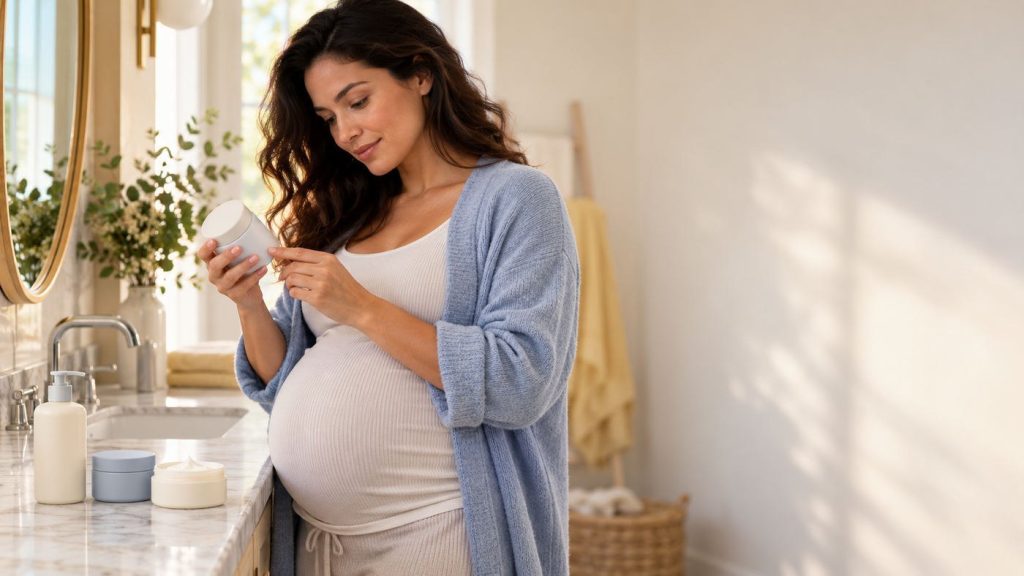
I have taken on the role of a Pregnant Woman. When it comes to NIVEA Products, are they safe compared to Burt’s Bees or Mustela? Buy products that have been successful in the past and have no reason to cause dryness, irritation, sensitivity, or concern about ingredients. When it comes to deciding between NIVEA, Burt’s Bees, and Mustela, it isn’t just the “safest” thing to consider. Rather, it is better to consider the specific product, its ingredients, how the product is being applied, and whether the product is formulated specifically for pregnancy-sensitive skin.
According to NIVEA, cosmetic products are subjected to safety and skin-compatibility tests, and the products are deemed safe for pregnant and breastfeeding women. According to Mustela, the majority of their products are safe to use while pregnant and breastfeeding, and Mustela has a dedicated Maternity Collection. Burt’s Bees offers information on ingredients for specific products, and many Burt’s Bees fragrances are made from natural essential oils and extracts.
Pregnancy Alters the Way You Take Care of Your Skin
Hormonal and physical changes in pregnancy can cause the skin to react differently. A few women get drier, itchier, acneic, and/or experience changes in their skin color. Even if the formula doesn’t change, a product that feels comfortable for a non-pregnant woman may feel different during pregnancy. If you’re wondering, “I’m a pregnant woman. Are Nivea products safe compared to Burt’s Bees or Mustela?”, it’s important to consider the ingredients, your individual skin sensitivity, and your healthcare provider’s advice before choosing skincare products during pregnancy.
This makes it very helpful to maintain a standard skincare regimen. A gentle cleansing routine, daily moisturizing, and proper sun protection can help maintain the skin barrier without unnecessarily adding a plethora of active ingredients to the skin. If you’re selecting a product, it’s wise to look at the contents of each formula and not simply accept a brand’s reputation.
Safe Use of NIVEA During Pregnancy?
NIVEA directly informs consumers about pregnancy and breastfeeding in its consumer information. The cosmetic products are tested for safety and skin compatibility before being launched to the market, and the company states that its cosmetic products are safe for pregnant and breastfeeding women. When people have specific health concerns, NIVEA urges them to consult a doctor or a midwife.
This can be comforting to a pregnant woman who already has a basic NIVEA body lotion, body cleaner, and/or moisturizer. Nevertheless, it is important to consider the actual product in question, not just all NIVEA products, as they are not necessarily the same. Various products may have various functions and may contain varying ingredients.
Personal sensitivity is also a factor to take into consideration. NIVEA highlights that its products are tested for compatibility with the skin, but it’s not always possible to completely rule out allergic reactions, as different people can have different skin reactions to some ingredients. However, pregnancy may also be a period in which the skin is more sensitive.
How Does Burt’s Bees Stack Up?
Burt’s Bees is transparent about its ingredients on its website. Each product page offers an INCI naming of ingredients, letting the consumer look at the ingredients of the product they want to buy. The company also claims most of its fragrances are sourced from natural ingredients and consist of proprietary blends of essential oils and extracts.
This is important, as natural is not always better for all pregnant women. Even ingredients of plant origin can be irritating or cause allergic reactions, especially in skin that is unusually sensitive. What may be fine for one may not be okay for the other with essential oils or fragrances.
For those who opt for Burt’s Bees while pregnant, it is important to select the specific formula. A basic moisturizer with compounds the consumer is familiar with can vary significantly from a scented moisturizer with a multitude of botanical extracts.
Why Mustela is Popular During Pregnancy?
Mustela is really special when it comes to pregnancy and maternity skincare. According to the company, the majority of Mustela’s products are safe for use during pregnancy and breastfeeding, and it advises pregnant women to choose its Mustela Maternity Collection products.
The Maternity Collection is dedicated to specific issues that may arise during pregnancy, such as dry, stretched, and uncomfortable skin. These stretch mark products range from a stretch-mark cream, a stretch-mark oil, a multipurpose lotion, and some other skin care products for mums. According to Mustela, all of its maternity products are safe for mothers and developing babies.
Mustela also outlines a testing process that includes over 450 measures and tests, and that an independent toxicologist is part of in his evaluation of ingredients and final formulas. These are the reasons Mustela focuses its maternity collection on mothers-to-be.
This does not imply that all pregnant women should have Mustela. Those already using a basic, easy-to-use skin care regimen may not want to change everything to a skin care brand that is designed for maternity.
NIVEA, Burt’s Bees or Mustela: the Real Difference?
The best comparison is by the function of the product. When the intent is to moisturize every day, a basic moisturizer from any of these companies could be right if the ingredients are suitable for the skin and the skin is tolerant of the product.
Mustela has a range of products for pregnancy-specific issues like stretchy skin on the tummy. The company is specifically targeting products for changing skin throughout pregnancy, and claims that their stretch mark products are safe from the first month of pregnancy.
NIVEA can be recommended when a woman desires that her skin care products should be familiar and routine, especially since the company explicitly states that its cosmetic products are safe during pregnancy and breastfeeding. While Burt’s Bees may attract consumers looking for products made with naturally derived ingredients, it is important to carefully examine each of the ingredients in the products.
This means that you don’t need to change brands just because you are pregnant. The logo on the packaging is not as important as the individual product and its ingredients.
What are Some of The Skin Care Products That Should be Used With Additional Care During Pregnancy?
This is not the best time to try anything new when it comes to skin care. The American College of Obstetricians and Gynecologists offers information on some common ingredients used in skin care products. Topical retinoids are especially to be avoided during pregnancy. ACOG also references other ingredients like benzoyl peroxide, azelaic acid, glycolic acid, and topical salicylic acid in their pregnancy skin care recommendations.
This particularly applies to comparing regular moisturizers to specific facial moisturizers. A simple body lotion and an anti-acne / anti-aging treatment should not be evaluated on the same merits.
Also, do not think that something is safe because it is plant-derived or called natural. The full formula, concentration, means of exposure, frequency of use, and the person’s individual situation can all be factors.
Fragrance-Free Products May Be Helpful for Sensitive Skin
Often, perfumes that were previously pleasant to wear may be overwhelming or irritating during pregnancy. If you have become sensitive, a product without fragrance might be a good option.
Mustela’s range of products for Maternity also caters to fragrance-free products. The company actually lists its Stretch Marks Oil and Organic Nursing Comfort Balm as odorless.
Burt’s Bees, on the other hand, claims that many of their perfumes are made from essential oils and extracts that are natural. That will take the fancy with a natural perfume, but a natural fragrance can definitely not suit a sensitive person.
With so many options available, consumers should check the specific packaging and ingredients list if a fragrance is an issue with NIVEA. For super-sensitive skin, it is best to seek out a product that is made expressly for sensitive skin and is marked as fragrance-free.
What About Stretch Marks?
It is very normal to develop stretch marks during pregnancy. They may show on the abdomen, breasts, hips, thighs, or any other part of the body where the skin is loose. It can be caused by genetics, hormones, and the rate and extent of skin stretching.
While moisturizers and oils will make the skin feel comfortable, soft, and hydrated, nothing can guarantee that the stretch marks will not form. Mustela states that it is impossible to completely prevent pregnancy-related stretch marks, but moisturizing can be helpful in ensuring skin comfort and appearance.
This means that a woman does not have to purchase a costly specialist skin care product just because she is pregnant. For normal, regular use, you may be able to use a well-tolerated moisturizer. If you prefer a formula that is specifically developed for pregnancy-related skin issues, then a maternity-specific product can be used.
Your Guide to a Simple Pregnancy Skin Care Routine
A simple regimen sometimes is easier to deal with than a bunch of active treatments in the cabinet. If you use a light cleansing face wash in the morning, followed by a moisturizer and sun protection, you will be fine. As needed throughout the day, add more moisturizer to any skin that feels dry or tight.
Once bathed, moisturizer can be applied to damp skin to help maintain skin comfort. It’s also advisable to refrain from vigorous scrubbing when pregnant if the skin becomes sensitive.
When considering a new active ingredient, review the ingredient list and discuss ingredients of concern with a health-care professional. A small patch test can also help determine products that irritate the skin, but a patch test will not determine if an ingredient is medically suitable for a pregnant female.
For a Pregnant Woman, What Should She Choose?
If a person is choosing between NIVEA, Burt’s Bees, or Mustela, it just depends on what she needs. NIVEA’s everyday skin care products are extensive, and they state on the website that their cosmetic products are safe to use during pregnancy and lactation. Burt’s Bees provides information on ingredients for each formula, and many of their fragrances are natural. Mustela has a dedicated pregnancy and postpartum product line, created with women in mind.
Therefore, the best solution is to choose the product that is most suitable for the desired purpose, contains ingredients that are safe during pregnancy, and is skin-friendly. A simple perfume-free moisturiser may be best for someone with more sensitive skin, and if you are specifically seeking a maternity-focused care moisturiser, then you might want to try the Mustela Maternity Collection.
Final Thoughts
If the pregnant woman is not sure whether NIVEA products are safe, as it may be the case for her when she is pregnant, then she does not need to assume that one line is safe while the other is not. NIVEA claims that their cosmetics are safe to use for pregnant and nursing mothers; Mustela says that most of their cosmetics are safe and has a special range for mothers, and Burt’s Bees gives information about ingredients on each formula.
Checking each product is the best way to go, and you should be conscious of pregnancy-related ingredients, and to avoid harsh products that will irritate the skin. When the ingredient is in doubt, particularly in a treatment product, an obstetrician, midwife, dermatologist, or pharmacist can give the appropriate advice for the particular person’s pregnancy. For anyone seeking simple pregnancy skin care details, more practical comparisons and guides will be available on starinsiderhub; choices of products are available and can be understood in terms of the ingredients, how it is used daily, and making informed skin care decisions.